
Most lists of self care essentials are candles, bath bombs and a face mask that gets used twice. This one is not. Every product below is a piece of kit that removes friction from a routine you already have — the shower you take anyway, the trim you keep putting off, the twenty minutes in the bath that never quite happens because the tub is boring. Self care essentials that sit in a drawer are decoration. The seven here get used because they make an existing habit easier rather than adding a new one.
The seven cover seven different jobs, in the order a normal day runs through them: what lives on the shower wall, how you cut your own hair and beard, what you put on your face, what turns a bath into something worth the water, what protects your hands when you train, what you actually wear when you are off the clock, and what stops the shoes you just spent money on being written off by one rainy Tuesday. Nothing is duplicated. All seven together come to roughly $264, and six of the seven are under $50.
We picked these self care essentials on four criteria: whether the thing survives daily contact with water, whether the running cost is honest, whether it works in a rented bathroom you are not allowed to drill into, and whether it makes sense on both sides of the Atlantic. That last one matters more than it sounds — the electrical rules, the water temperature limits, the advertising rules for skincare devices and the chemical rules for waterproofing all differ between the US and the UK, and we have written a full section on it below. Product links go to Amazon.com; UK readers can search the same model names on Amazon.co.uk, where most of these are listed under different wording.
Self Care Essentials — Quick Comparison
| # | Product | Role | Key spec | Best for | Price | Score |
|---|---|---|---|---|---|---|
| 1 | Better Living Euro TRIO | Shower wall storage | 3 × 14.7 fl oz, no-drill mount | Renters with a cluttered shower ledge | $33.49 | 7.4 |
| 2 | Ufree 6-in-1 Trimmer | Hair and beard grooming | 6 heads, waterproof, USB-C, ~60 min | Cutting your own hair between barber visits | ~$30 | 8.0 |
| 3 | INIA Red Light Therapy Mask | Face treatment | 220 LEDs, 850 nm NIR, 10–30 min timer | A cordless, low-effort evening habit | $89.99 | 7.6 |
| 4 | Coepuske Bath Jets for Tub | Soak and recovery | 8800 mAh, 3 pressure levels, suction mount | Turning an ordinary tub into a spa bath | $48.99 | 8.7 |
| 5 | NiuMid Anti-Slip Grips | Training and hands | Silicone pads, ambidextrous, 20 g | Pull-ups and dumbbells without calluses | $7.99 | 7.4 |
| 6 | COOFANDY 2-Piece Set | Off-duty clothes | Long-sleeve shirt plus drawstring pants | Looking dressed while feeling undressed | $37.99 | 8.5 |
| 7 | Crep Protect Spray | Footwear protection | 200 ml, 10–12 pairs, 4–5 weeks | Protecting suede and canvas before winter | $16 | 8.4 |
- Self Care Essentials — Quick Comparison
- The 7 Best Self Care Essentials in 2026
- Self Care Essentials — Buyer’s Guide: What to Look For
- US vs UK: What Changes When You Buy Self Care Essentials
- Self Care Essentials — Which One Should You Buy?
- Water, Skin and Safety Behind These Self Care Essentials
- Self Care Essentials — Frequently Asked Questions
- Self Care Essentials — Final Thoughts
- Sources and Further Reading
The 7 Best Self Care Essentials in 2026
The order below follows a day rather than a ranking. Scores are our own, out of ten, and they reflect how well each product does its single job — not how expensive it is. Two of these self care essentials score under 7.5 and are still in the list, because at their price the compromise is the right one.
1. Better Living Euro TRIO 3-Chamber Dispenser — Best Shower Storage for Renters
Price: $33.49 (list $36.99) | Amazon rating: 4.2 / 5 from 22,400+ ratings | Role: Shower wall storage | Key spec: Three 14.7 fl oz chambers, no-drill silicone adhesive mount
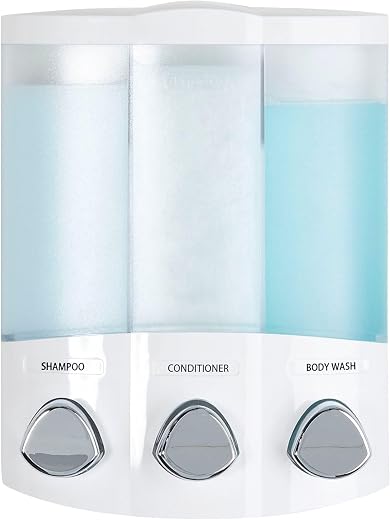
The dullest item here is the one that changes the shower most. Three bottles of shampoo, conditioner and body wash occupy a corner shelf, fall over, collect a ring of slime underneath and run out at different times. The Euro TRIO replaces all three with one wall-mounted unit of three 14.7 fl oz chambers, each with its own push button you can work one-handed with your eyes shut. It mounts on silicone adhesive and two-way tape, with no drilling — which is why it belongs on a list of self care essentials aimed at people who rent.
The mounting is the part that decides whether you keep it. On smooth ceramic tile or acrylic, cleaned with alcohol first and left overnight before filling, it holds indefinitely. On textured stone, grout-heavy mosaic or a wall that has been silicone-sealed recently, it will let go — usually at three in the morning, loudly. The unit lifts off its bracket for refilling, so you are not funnelling shampoo at arm’s length above your head, and the included funnel makes decanting from a big-format bottle genuinely quick.
Better Living backs the pumps with a lifetime warranty, which is the strongest signal in the spec sheet: pumps are the part that fails on every dispenser ever made. The body is water-resistant ABS, 7 inches wide and 8.75 inches tall, and mounts flat or in a corner. Buying refills in large containers rather than three separate branded bottles is also where the money comes back — this is one of the few self care essentials that pays for itself.
Best for: Renters, small shared bathrooms, and anyone who buys shampoo in bulk and wants the shower ledge clear. Also good for households where three people all want their own body wash but there is one shelf.
Skip if: Your shower walls are textured stone, pebble mosaic or anything the adhesive cannot get a flat run on — and skip it if you switch products constantly, because flushing a chamber between formulas is a ten-minute job you will resent.
Read the full Better Living Euro TRIO review →
Where to Buy — Better Living Euro TRIO 3-Chamber Dispenser
2. Ufree 6-in-1 Waterproof Beard Trimmer — Best Budget Grooming Kit
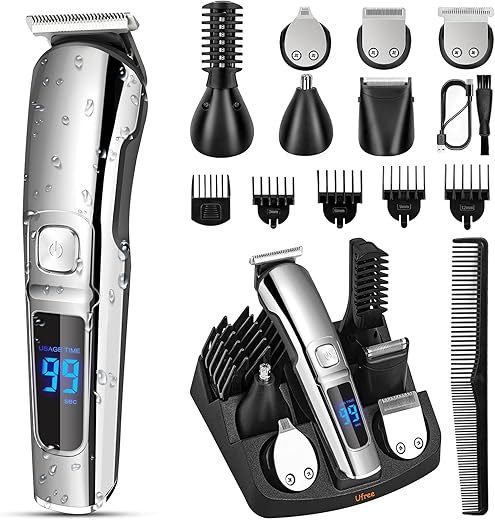
Price: around $30 | Amazon rating: 4.3 / 5 from 29,200+ ratings | Role: Hair and beard grooming | Key spec: Six stainless steel heads, fully waterproof handle, USB rechargeable, ~60 min runtime
A haircut costs more than this trimmer does. That is the entire argument, and it is a good one. The Ufree kit puts six interchangeable stainless steel heads on one waterproof handle: beard trimmer, hair clipper, foil shaver, precision detailer, nose and ear trimmer, and a body head. Charging is USB, roughly two hours for about an hour of use, and the handle is rated for wet and dry work so the whole thing can be rinsed under the tap when you are done.
Working in the shower is what lifts this above a drawer full of single-purpose gadgets. Beard clippings do not scatter across a bathroom floor if you trim standing in the tub and rinse them away; nose and ear trimming — the job everyone forgets until a photograph reminds them — takes about fifteen seconds with the dedicated head. Among self care essentials, the ones that eliminate cleanup are the ones that get used weekly instead of monthly, and this is the clearest example in the group.
The honest trade is blade quality. Stainless steel heads at this price are not the self-sharpening ceramic-and-titanium sets in a $120 Braun or Philips kit, and after a year of regular use you will feel them pulling on coarse hair rather than cutting it. Keep them oiled, rinse after every use, and expect to replace the kit rather than the blades. At $30 a year that is still cheaper than three barber visits, but pretend otherwise and you will be disappointed.
Best for: Anyone maintaining a beard between barber appointments, people who buzz their own hair, travellers who want one device instead of four, and households sharing a single grooming kit with washable heads.
Skip if: You have very coarse or curly facial hair that punishes cheap blades, or you want a precision shave rather than a trim — the foil head tidies, it does not replace a razor.
Read the full Ufree beard trimmer review →
Where to Buy — Ufree 6-in-1 Waterproof Beard Trimmer
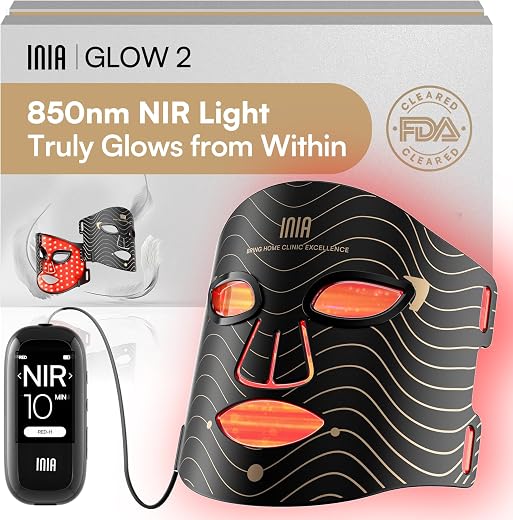
3. INIA Red Light Therapy Mask — Best Cordless LED Mask Under $100
Price: $89.99 (list $99.99) | Amazon rating: 4.2 / 5 from 1,312 ratings | Role: Face treatment | Key spec: 220 LEDs, red / blue / 850 nm near-infrared, 105 mW/cm² claimed, 10–30 min timer, 2600 mAh battery
LED masks are the most oversold category in personal care, so start with what is defensible. Red and near-infrared light in the 630–850 nm range has a real, published mechanism and a modest evidence base for fine lines and skin texture over weeks, not days. The INIA mask puts 220 LEDs across red, blue and 850 nm near-infrared in four modes, runs cordless off a 2600 mAh battery, and shuts itself off after 10 to 30 minutes. Cordless matters more than the LED count on a list of self care essentials, because a mask tethered to a wall gets used twice.
What you should not expect is a medical result. In the United States, LED masks that make wrinkle claims go through FDA’s 510(k) route as Class II devices under 21 CFR 878.4810 — CurrentBody’s Series 2 mask, for example, was cleared in June 2025 for full-face wrinkles at 633 nm and 830 nm. A mask without that clearance is not necessarily worse hardware, but it has not been reviewed for the claim. In the UK the line is drawn by the advertiser: in December 2025 the Advertising Standards Authority banned ads from three LED mask sellers for claiming acne or rosacea benefits without MHRA registration, because those are medicinal claims.
Practically: wear it four or five evenings a week for eight to twelve weeks before judging anything, keep your eyes closed even though the eye cut-outs are generous, and clean the inner surface with a damp cloth rather than anything alcohol-based. The stated 105 mW/cm² output is a manufacturer figure measured at the LED, not at your skin, so treat it as a specification rather than a dose. This is one of the self care essentials where patience is the active ingredient.
Best for: People who want a low-effort, cordless, screen-free twenty minutes in the evening and are realistic about a slow, cumulative effect on fine lines and texture.
Skip if: You are treating active acne, rosacea or any diagnosed condition — see a dermatologist rather than a consumer mask — or if you take photosensitising medication, in which case ask before you use any light device at all.
Read the full INIA red light therapy mask review →
Where to Buy — INIA Red Light Therapy Mask
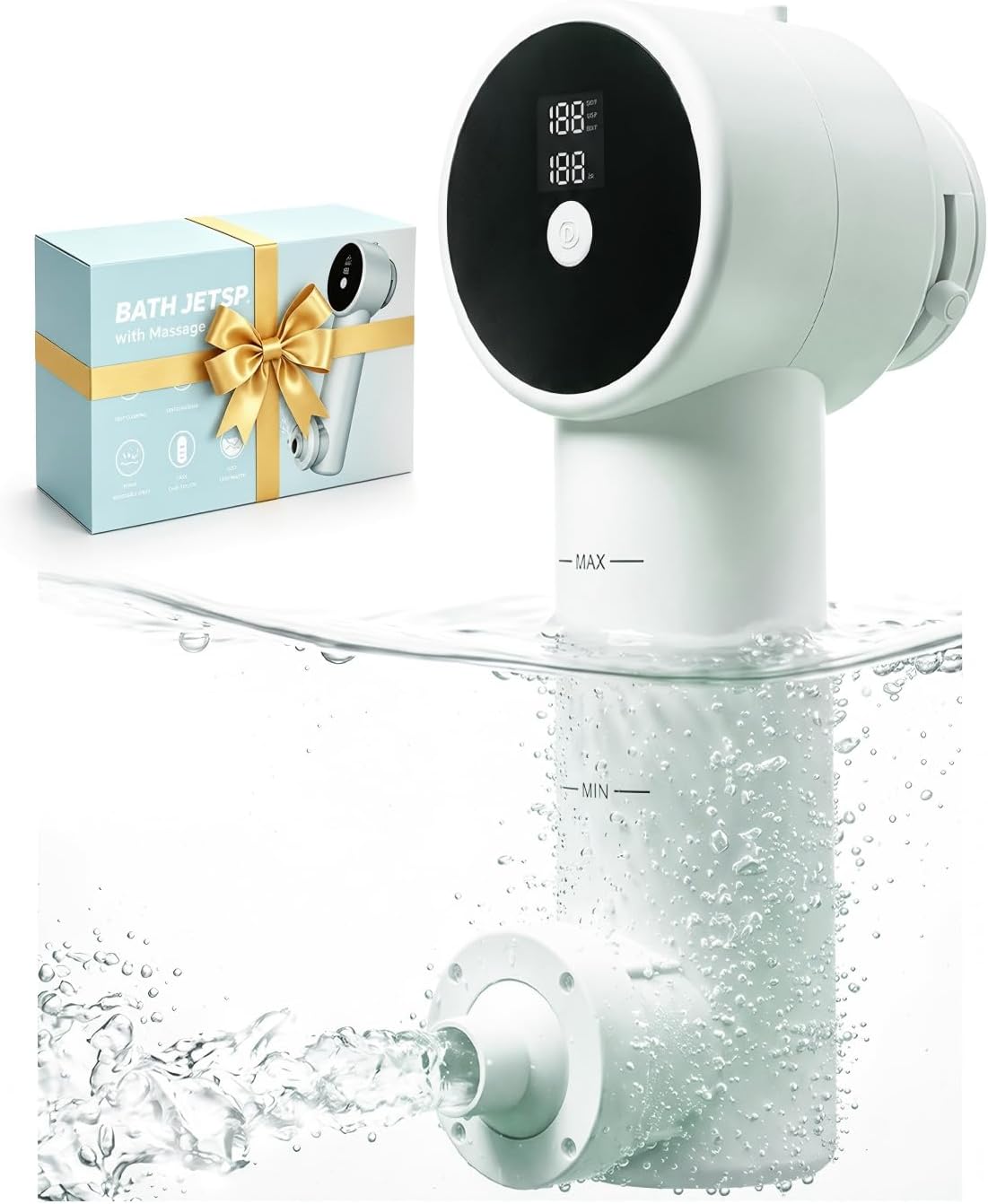
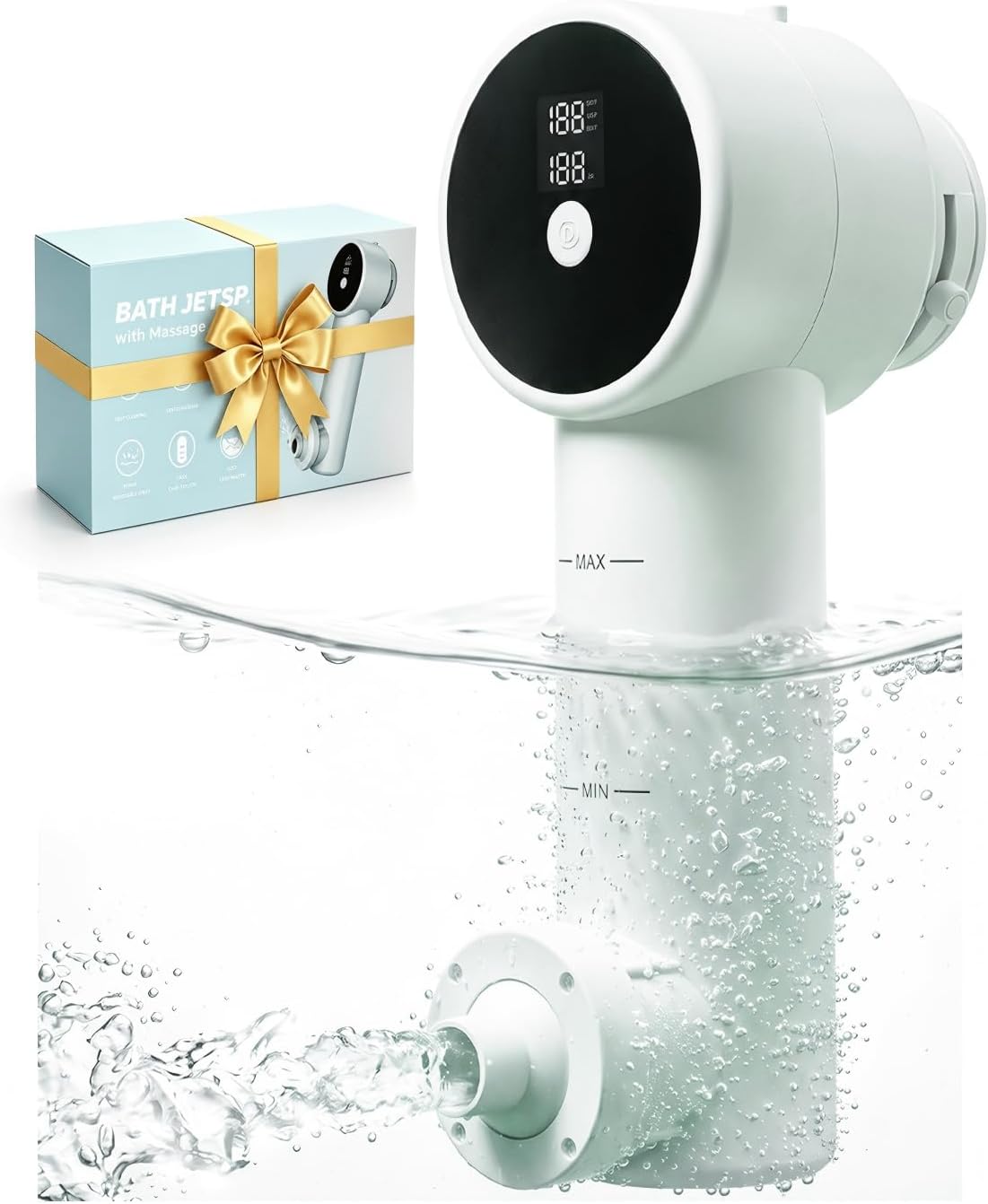
4. Coepuske Bath Jets for Tub — Best Portable Spa Jet for an Ordinary Bath
Price: $48.99 | Role: Soak and recovery | Key spec: 8800 mAh battery, Type-C charging, jet and bubble modes, 3 pressure levels, 360° nozzle, twist-lock suction mount
A whirlpool bath is a plumbing job costing thousands and it is not happening in a rented flat. This is the workaround: a sealed, rechargeable unit that suction-mounts to the inside of an ordinary tub and pushes moving water through a 360° nozzle in either jet or bubble mode, across three pressure levels, with a display showing water temperature. The 8800 mAh battery charges over USB-C. Of all the self care essentials here it produces the biggest change for the money — an ordinary bath becomes a reason to be in the bathroom for half an hour.
The reason it can exist at all is the reason it is battery-powered, and that is worth understanding. Mains electricity is not allowed near a bath in either country. UK wiring rules under BS 7671 Section 701 prohibit 230 V socket-outlets within 3 m of the boundary of zone 1, and the US National Electrical Code bars receptacles from a zone extending 3 ft horizontally and 8 ft above the tub rim. A low-voltage sealed device you charge elsewhere and carry in is the only legal way to get powered water movement into a bath you already own.
Two honest caveats. The suction mount wants a smooth, clean, wet, flat surface — textured or heavily curved tubs, and older enamel with pitting, do not hold reliably, so test it before you fill. And the listing’s own noise figure is “≤90 dB”, which is a ceiling rather than a promise of quiet; 90 dB is roughly a food blender. In practice it runs well below that submerged, but anyone imagining a silent spa should recalibrate. The lever-lock cups and IPX67 sealing claim are the two specs to check against your own tub before buying.
Best for: Renters and anyone with a standard acrylic tub who wants moving water without plumbing, plus people using baths for muscle recovery after training rather than purely for relaxation.
Skip if: Your tub is textured, freestanding with sharply curved walls, or you only ever take showers — and skip it if noise in a small tiled room bothers you, because tile reflects every decibel.
Read the full Coepuske bath jets review →
Where to Buy — Coepuske Bath Jets for Tub
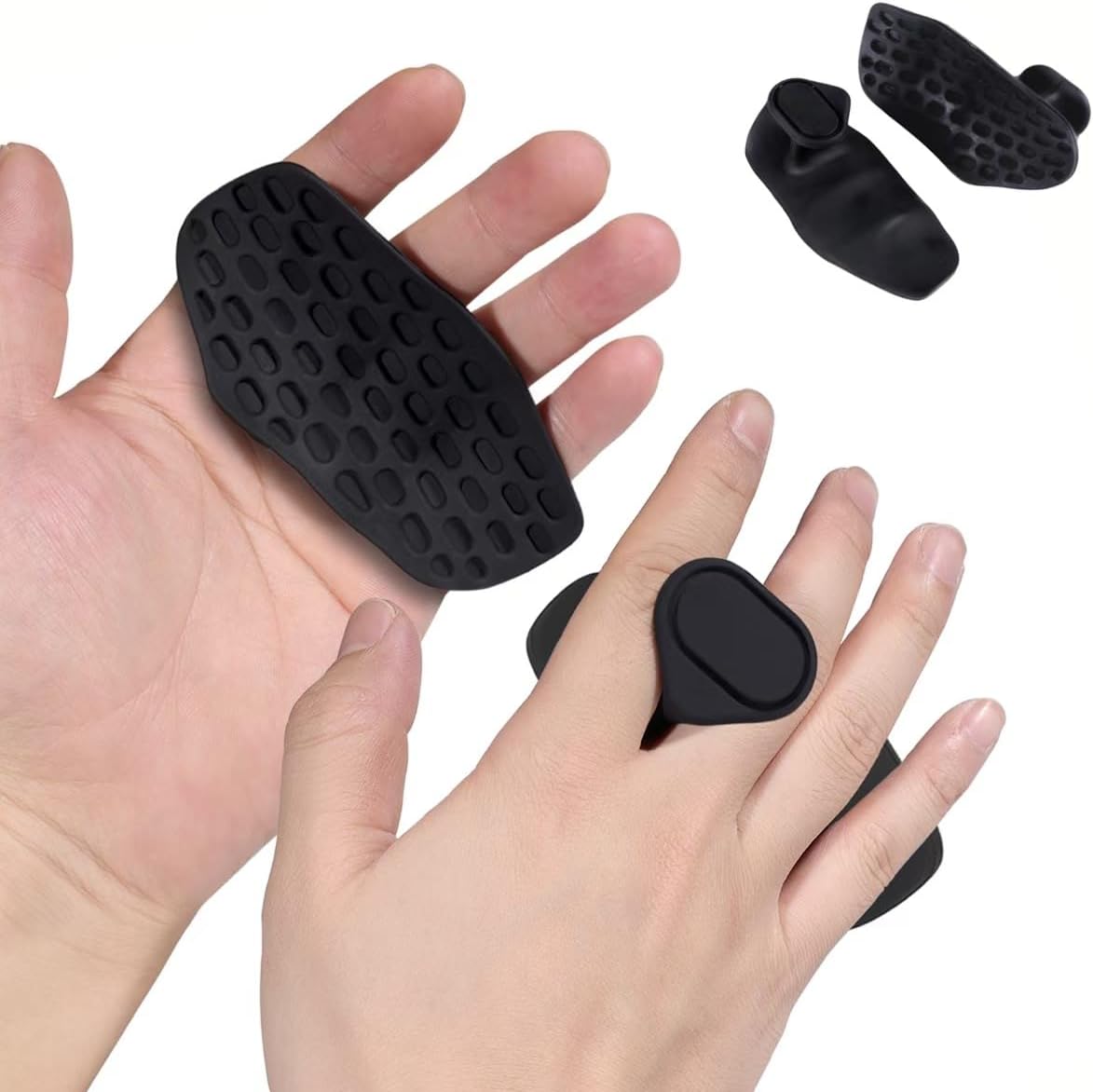
5. NiuMid Anti-Slip Workout Grips — Best Cheap Alternative to Lifting Gloves
Price: $7.99 (list $8.99) | Amazon rating: 4.3 / 5 from 836 ratings | Role: Training and hand protection | Key spec: Textured silicone pads, ambidextrous one-size, roughly 3.23 × 1.65 in, 20 g the pair, carry case included
Self care essentials are usually framed as rest, which quietly ignores that most people’s biggest recovery problem is that they stopped training because something hurt. Torn calluses are a common something. These are two small textured silicone pads that sit between palm and bar, they weigh 20 grams together, they live in a supplied case in the corner of a gym bag, and they cost less than a protein shake. There is nothing clever about them and that is the point.
They do two jobs. On sweaty hands they restore friction on a knurled bar far better than a damp glove does, because silicone grips harder when wet where leather and neoprene get slick. And they take the shear load off the base of the fingers, which is where calluses tear on pull-ups and heavy dumbbell rows. Because they are fingerless pads rather than gloves, your hands stay cool and you can drop them in a pocket between sets.
What they will not do is add wrist support or replace lifting straps. Above roughly your bodyweight in a deadlift, grip failure is a forearm problem, not a skin problem, and these do not fix it. They also slide if you let them rotate on the bar — you set them once and close your hand, rather than adjusting mid-set. One size fits most adults but genuinely large hands will find the pad slightly short. At eight dollars, none of that is a real complaint.
Best for: Pull-ups, dumbbell work, kettlebells and machine rows; people who hate the heat and bulk of gloves; and anyone whose hands are also their job.
Skip if: You need wrist support, you are chasing maximal deadlift numbers where straps are the right tool, or you have very large hands and want full palm coverage.
Read the full NiuMid workout grips review →
Where to Buy — NiuMid Anti-Slip Workout Grips
6. COOFANDY Men’s 2-Piece Outfit Set — Best Off-Duty Clothes That Still Look Deliberate
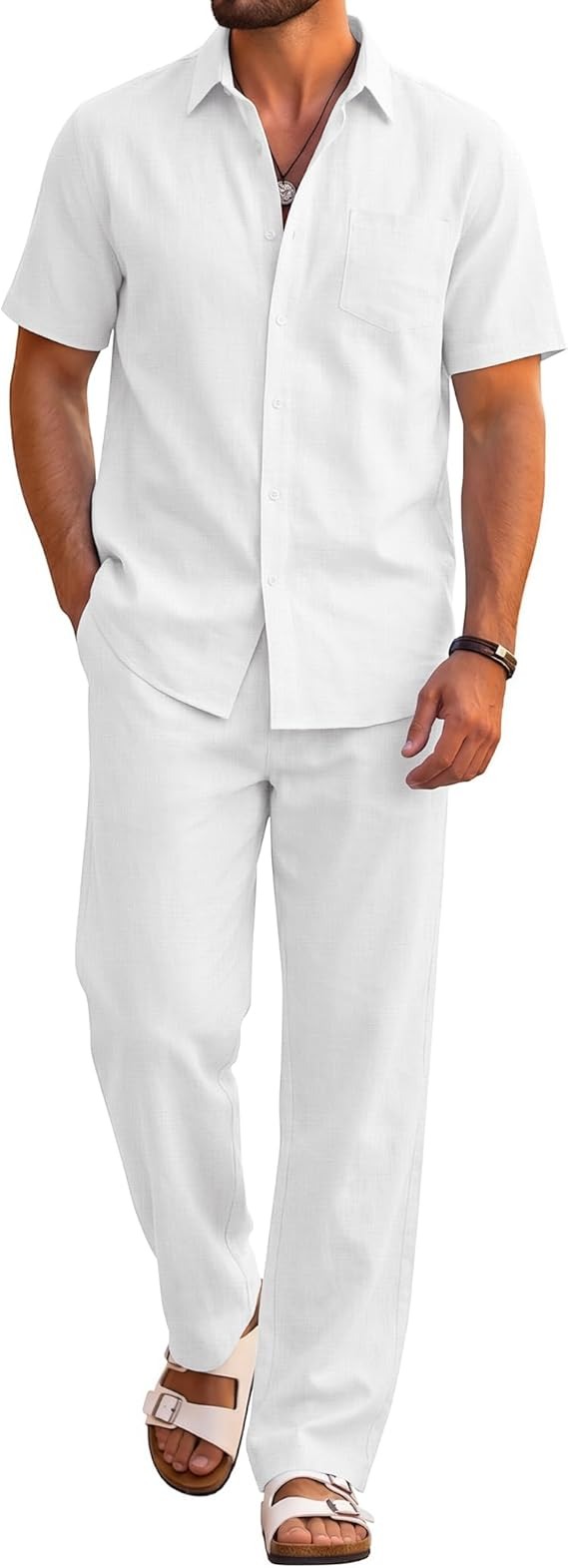
Price: $37.99 (list $51.99) | Role: Off-duty clothes | Key spec: Long-sleeve button-down plus drawstring elastic-waist pants, lightweight breathable fabric, side pockets, relaxed fit
There is a gap in most wardrobes between clothes you would answer the door in and clothes you would leave the house in, and it is usually filled by a decade-old T-shirt. A matched two-piece in a lightweight woven fabric closes it: a relaxed long-sleeve button-down and drawstring pants with an elastic waist and real side pockets. It is as comfortable as loungewear and reads as an outfit, which is why it earns a place among self care essentials rather than sitting in a fashion roundup.
The fabric choice is what makes or breaks a set like this. Lightweight and breathable means it works over a summer evening and after a hot bath, when heavy cotton jersey feels like a mistake; the relaxed cut means it does not cling anywhere while you are still cooling down. The drawstring plus elastic waist is the practical detail — it accommodates a full stomach and a fasted morning equally, which no fixed waistband does.
Sizing is the thing to get right. Relaxed-fit sets from this category run generous through the body and short in the sleeve relative to US sizing conventions, so read the measurement table rather than picking your usual letter. The set is machine or hand washable, but a lightweight woven creases, so it wants hanging straight out of the machine rather than a spell in the basket. Treat it as clothing that needs five seconds of care, not none.
Best for: Working from home, holidays, evenings after the gym or a long bath, and anyone who wants one grab-and-go outfit that does not require a decision.
Skip if: You want something that survives a suitcase uncreased, you need real cold-weather warmth, or you are between sizes — the relaxed cut is forgiving upward and unforgiving downward.
Read the full COOFANDY 2-piece outfit set review →
Where to Buy — COOFANDY Men’s 2-Piece Outfit Set
7. Crep Protect Shoe Protector Spray — Best Waterproofing for Suede and Canvas
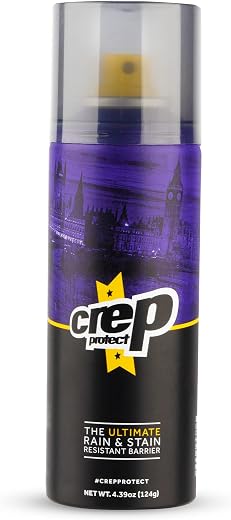
Price: $16 | Amazon rating: 4.5 / 5 from 37,000+ ratings | Role: Footwear protection | Key spec: 200 ml aerosol nano coating, 10–12 pairs per can, 4–5 weeks per application, 2 coats 15 minutes apart
The cheapest item on this list after the grips is also the one that protects the most money. A single 200 ml can treats ten to twelve pairs, which works out at roughly a dollar and a half per pair for four to five weeks of water and stain resistance on suede, nubuck, canvas and leather. Anyone who has watched a pair of suede trainers die in one unexpected downpour understands why footwear protection belongs among self care essentials: looking after yourself includes not writing off the things you wear.
Application matters more than brand. Two light coats fifteen minutes apart, outdoors or by an open window, ten minutes to cure before wearing — heavy single coats saturate the nap on suede and leave it matted and darker. The coating is invisible and breathable, so it does not seal the shoe against sweat, and it repels oil and stains as well as water, which matters more day to day than rain does. Reapply every four to five weeks, and always after any wet cleaning.
Two limits to be clear about. It is water-resistant, not waterproof — it buys you time in a shower, not a walk through a puddle. And a protective coating cannot rescue a shoe that is already stained; treat them new, or after cleaning and full drying. On the chemistry, aerosol waterproofers are the category most exposed to changing fluorochemical rules on both sides of the Atlantic, which is covered in the US vs UK section below. Use it outdoors, never in an enclosed bathroom.
Best for: Suede, nubuck and canvas trainers; new shoes before first wear; anyone heading into a wet autumn with footwear they care about.
Skip if: You need genuine waterproofing for hiking or work boots — buy a purpose-made wax or a membrane boot instead — or if you cannot apply it outdoors, because aerosol nano coatings should never be sprayed in a small unventilated room.
Read the full Crep Protect spray review →
Where to Buy — Crep Protect Shoe Protector Spray
Self Care Essentials — Buyer’s Guide: What to Look For
Almost everything sold in the self care essentials category is bought on impulse and abandoned within a month. The five checks below are what separate a purchase you still use next year from one that migrates to the back of a cupboard. None of them is about brand.
Battery, Not Cable: Why Self Care Essentials Are Cordless Now
Every powered item in a bathroom is battery-driven, and it is a legal constraint rather than a design fashion. Both countries ban mains sockets from the space around a bath or shower, so a corded device has nowhere to plug in. That has a practical consequence when you shop: check the battery capacity and the charge port, not the wattage. USB-C is the right answer in 2026, because it means one cable for the trimmer, the bath jet, the LED mask and your phone.
Capacity tells you how often you will be annoyed. The Coepuske jet’s 8800 mAh and the INIA mask’s 2600 mAh are both large enough for weeks of normal use between charges; a trimmer at around an hour of runtime needs charging roughly monthly if you trim twice a week. Anything that needs charging before every use will be used less, which is the single most reliable predictor of whether self care essentials survive the first three months.
Self Care Essentials and Waterproof Ratings: Read the Number, Not the Word
“Waterproof” on a product page means nothing on its own. The number after IP does. IPX4 is splash resistance from any direction — fine for a mask or a dispenser, not enough for something you submerge. IPX7 means immersion to one metre for thirty minutes, which is what a bath device needs. Listings sometimes combine figures, as with the Coepuske jet’s “IPX67” claim, which is a marketing composite rather than a formal single rating; treat it as “IPX7 with dust sealing” and verify against the manual.
For grooming, the phrase that matters is “fully waterproof handle” versus “rinsable head”. A rinsable head means you can run water over the blades; a waterproof handle means the whole tool can go in the shower. Ufree’s kit is the second kind, which changes where it gets used. This is the single spec most worth reading twice when comparing self care essentials that live in a wet room.
The Running Cost of Self Care Essentials: The Number Nobody Prints
Purchase price is the least interesting figure. The Crep Protect can is $16 and treats ten to twelve pairs at two coats, which is about $1.40 a pair per month of protection. The Ufree trimmer at $30 replaces roughly three barber visits a year and needs replacing annually. The Euro TRIO’s return is buying shampoo in bulk instead of three branded bottles. The LED mask has no consumable at all but costs you twenty minutes, four evenings a week, for at least two months before you can judge it.
Work out that number before buying, because it changes the ranking completely. Ranked on purchase price the mask is the most expensive item here; ranked on cost per use over a year it is mid-table, and the trimmer is the cheapest thing in the list by a wide margin. Good self care essentials are almost always the ones with the lowest cost per use.
Renter-Proof Self Care Essentials: Nothing That Needs a Drill
Six of the seven products here need no permanent fixing at all, and the seventh — the shower dispenser — uses adhesive and tape specifically so it can go into a rented bathroom. If you rent, that is a hard filter rather than a preference: anything requiring a wall anchor, a spur off the lighting circuit or a plumbing connection is not available to you, and in the UK electrical work in a bathroom is notifiable under Part P of the Building Regulations in England and Wales.
The practical test for adhesive mounts is surface, not weight. Smooth gloss tile, acrylic and glass hold well; textured stone, matt porcelain with a heavy grain and freshly siliconed surfaces do not. Clean with isopropyl alcohol, mount, and leave it empty overnight before loading it. Skipping that wait is the most common reason no-drill self care essentials fall off a wall.
Evidence: What Self Care Essentials Are Actually Allowed to Claim
Skincare devices are where marketing runs furthest ahead of proof, so use the regulatory paperwork as a shortcut. In the US, a wrinkle claim on an LED mask means the manufacturer went through FDA’s 510(k) process; you can search a clearance number and read the indications for use in one page. In the UK, a mask claiming to treat acne or rosacea must be a registered medical device — and in December 2025 the ASA banned three companies’ ads for exactly that failure.
None of that tells you a device works well. It tells you which claims have been reviewed by somebody other than the seller, which is a better filter than star ratings. Apply the same logic to anything in the category making a health claim: if the claim is medical and the paperwork is absent, treat the product as cosmetic and price it accordingly.
US vs UK: What Changes When You Buy Self Care Essentials
This is the section most self care essentials roundups skip, and for this category it is the one that changes what you can actually buy and use. The electrical rules, the hot water limits, the advertising rules and the chemical rules all differ — and so does half the vocabulary, which is why a British reader searching American product names finds nothing.
The Words for Self Care Essentials Are Different, So the Search Results Are Too
The umbrella phrase splits cleanly. Americans buy self care essentials; the British equivalent search is a pamper night or a pamper evening, and retailers there sell pamper hampers. Underneath that, almost every noun changes: bathtub is a bath, faucet is a tap, washcloth is a flannel, moisturizer is a moisturiser or, in NHS language, an emollient. Drugstore is chemist, Q-tips are cotton buds, and a Band-Aid is a plaster.
Clothing is worse, because two words invert. British pants means underwear; trousers are trousers and sweatpants are joggers or tracksuit bottoms. Sneakers are trainers, a robe is a dressing gown, and shaving cream is shaving foam. If you are shopping Amazon.co.uk from a US list of self care essentials, translate the noun first — searching “sneaker protector spray” returns a fraction of what “trainer protector spray” does.
Electricity in the Bathroom: Two Different Bans
Both countries keep mains power away from water, by different geometry. The UK works in zones under BS 7671 Section 701: zone 1 is the volume above the bath or shower basin, generally to 2.25 m above floor level, zone 2 extends 0.6 m beyond it, equipment in zones 1 and 2 must be at least IPX4, and Regulation 701.411.3.3 requires every circuit in the room to have 30 mA RCD additional protection. Regulation 701.512.3 permits a 230 V socket-outlet only 3 m horizontally beyond the zone 1 boundary. The one exception is a SELV shaver supply unit to BS EN 61558-2-5.
The US draws a box instead. NEC 406.9(C) prohibits receptacles inside a tub or shower or within 900 mm (3 ft) horizontally of any outside edge, up to 2.5 m (8 ft) above the rim. Where the UK requires an RCD on the whole room, the 2023 NEC requires GFCI protection on all 125 V to 250 V receptacles in a dwelling bathroom under 210.8(A)(1), with no exceptions. The result is the same for a shopper: your bathroom self care essentials will be battery-powered, whichever country you are in.
Hot Water: 48 °C by Law vs 120 °F by Advice
This is the sharpest split in the section. In England and Wales, Requirement G3 of the Building Regulations caps the temperature deliverable to a fixed bath in a new dwelling at 48 °C, normally achieved with a thermostatic mixing valve. It is a legal design requirement, not guidance, and it applies to new homes and change-of-use conversions rather than to an existing bathroom.
The US has no federal equivalent for the tap. The Consumer Product Safety Commission urges households to set the water heater to 120 °F (49 °C) and publishes the reason: at 140 °F a six-second exposure can cause a third-degree burn, at 130 °F thirty seconds, and at 120 °F it takes five minutes. Same physics, same target temperature, completely different mechanism — a valve fitted at construction in one country, a dial you are trusted to set in the other.
LED Masks: A Clearance in One Country, an Ad Ban in the Other
An LED mask sold in the US with a wrinkle claim is a Class II device under 21 CFR 878.4810 and needs 510(k) clearance; the CurrentBody Skin Series 2 was cleared in June 2025 for full-face wrinkles at 633 nm and 830 nm, delivering 18 J/cm² per ten-minute session. Clearance is about the specific claim, not general quality.
The UK regulates the advertising instead. On 11 December 2025 the ASA upheld complaints against three LED mask sellers — Luyors Retail, Invention Works and Beautaholics — for claiming acne or rosacea benefits, which are medicinal claims under CAP Code rule 12.1 and require MHRA registration. One of the three held a UKCA conformity marking and still lost, because the marking did not cover the medical claim. Testimonials do not exempt an advertiser either. For a buyer, that means British listings are legally quieter about results than American ones for identical hardware.
Cosmetics: Notify First vs Register After
The products you put through these self care essentials are regulated in opposite directions. Under the UK Cosmetic Products Regulation — assimilated Regulation (EC) 1223/2009 — a UK-based Responsible Person must commission a Cosmetic Product Safety Report from a qualified assessor and notify the product through the Submit Cosmetic Product Notifications service before it goes on sale, with prohibited and restricted substance annexes and an offence for animal testing.
The US moved partly in that direction with MoCRA in 2022: facility registration renewed every two years, product listing with ingredients updated annually, documented safety substantiation, adverse event reporting and a coming fragrance-allergen labelling rule. But the FDA still does not pre-approve cosmetics or their ingredients, with the exception of certain colour additives. Pre-market notification in the UK; post-market accountability in the US.
Waterproofing Sprays and PFAS: The Rules Are Moving
Fluorochemical water repellents are being squeezed on both sides, unevenly. California’s AB 1817 has banned “regulated PFAS” in new textile articles since 1 January 2025 at a threshold of 100 ppm total organic fluorine, dropping to 50 ppm on 1 January 2027, with outdoor apparel for severe wet conditions exempt until 1 January 2028 provided it carries a “Made with PFAS chemicals” disclosure. New York banned intentionally added PFAS in apparel from the same 2025 date.
The UK has taken a slower, strategy-first route: Defra published the country’s first national PFAS plan on 3 February 2026, built around monitoring, a decision on firefighting foams and a consultation on statutory drinking water limits, and it expects manufacturers to disclose PFAS use rather than banning it in consumer goods. Note the gap that matters for this list: those textile rules regulate the garment or shoe, not the aftermarket aerosol you spray on it. Check the can, and use it outdoors.
Two More Differences That Affect Self Care Essentials
Water use is measured and labelled differently. The US federal maximum for a showerhead is 2.5 gpm, EPA’s WaterSense specification cuts that to 2.0 gpm, and showering is nearly 17% of residential indoor water use at almost 40 gallons a household per day. The UK regulates at the building rather than the fixture: Part G sets 125 litres per person per day for new dwellings, tightening to 110 where planning requires it, and the four UK governments are introducing mandatory water efficiency labelling with an A–F band covering taps, showers, toilets, dishwashers and washing machines.
And one rule with no US counterpart at all: the Environmental Protection (Wet Wipes Containing Plastic) (England) Regulations 2025, made on 18 November 2025, ban the supply of plastic-containing wet wipes to end users in England from 19 May 2027, with narrow exemptions for pharmacy and medical supply. If your routine runs on makeup wipes, that is a genuine change coming to British self care essentials and not to American ones.
Self Care Essentials — Which One Should You Buy?
Buying all seven self care essentials at once is the wrong move. Pick by the friction you actually have — the routine you keep abandoning — and add from there. The three tiers below are the order we would buy in.
Under $35: Start Here, Because the Cheap Self Care Essentials Are the Ones You Keep
Start with the NiuMid workout grips at $7.99 and the Crep Protect spray at $16. Together they cost less than a single delivered dinner and they both solve the same category of problem: something you already do gets slightly worse over time until you stop doing it. Torn hands stop training; ruined suede stops you wearing the shoes you like.
Add the Ufree 6-in-1 trimmer at around $30 if you maintain a beard or cut your own hair, and the Better Living Euro TRIO dispenser at $33.49 if your shower ledge is a graveyard of half-empty bottles. Four products, under $90 in total, and between them they cover grooming, storage, hands and footwear. This tier is where most people should stop for the first month.
$35–$60: The Upgrade That Changes an Evening
The COOFANDY 2-piece outfit set at $37.99 and the Coepuske bath jets at $48.99 are the two that convert time rather than saving it. Neither fixes a problem exactly; both make an hour you already have materially better, which is a different and arguably more useful thing.
If you only buy one item from this whole list, buy the bath jets — they scored highest here at 8.7, and they are the only product in the group that turns a fixture you already pay for into something you look forward to. Pair it with the outfit set and you have an actual evening rather than a purchase. This is the best value point in these self care essentials.
$90 and Up: The Considered Purchase
The INIA red light therapy mask at $89.99 is the only item here that asks for commitment before it gives anything back. Eight to twelve weeks, four or five evenings a week, twenty minutes at a time. If you know you will not do that, the money is better spent on the whole of the first tier plus the bath jets.
Buy it if you already have an evening routine to attach it to — after the bath, before bed, with a podcast — because habits stack far more reliably than they start. And buy it with realistic expectations: a gradual improvement in fine lines and texture, not a treatment for a skin condition. That is the honest position, and it is what separates useful self care essentials from expensive optimism.
Water, Skin and Safety Behind These Self Care Essentials
The products are the easy part of any list of self care essentials. What follows is the small amount of physiology, chemistry and plumbing that decides whether any of it works — drawn from dermatology bodies, safety regulators and building rules rather than from marketing copy.
How Hot, and How Long, a Bath or Shower Should Actually Be
The American Academy of Dermatology’s advice is specific and almost nobody follows it: limit baths and showers to five to ten minutes in warm, not hot water, wash with a gentle cleanser, and apply moisturiser immediately afterwards while the skin is still damp. Hot water strips sebum faster than skin replaces it, which is why a long hot shower leaves you tighter and itchier than a short warm one.
That collides with the reason people buy bath jets, and the resolution is simply temperature. A 38–40 °C bath at length is far kinder to skin than a 45 °C shower for the same duration. Both countries land on the same ceiling by different routes — 48 °C by building regulation in new British homes, 120 °F (49 °C) by CPSC recommendation at the American water heater — and both are limits, not targets. If the smart display on a bath device reads above 40 °C, add cold.
Moisturiser, Emollient and the Two-Minute Window
The most valuable step in any of this costs nothing: moisturise within a couple of minutes of getting out, on damp skin. The NHS goes further than the AAD on method, treating leave-on emollients as soap substitutes — they clean effectively without foaming, and for dry or itchy skin they replace soap rather than following it. NHS guidance suggests applying at least three or four times a day, and notes that aqueous cream is no longer recommended because it can irritate.
Two safety notes that rarely make it onto product pages. Paraffin-based emollients are a genuine fire risk: the residue soaks into clothing and bedding and remains flammable even after washing, so keep away from flames and cigarettes. And they make a bath or shower floor dangerously slippery — use a non-slip mat and wash the surface down with hot water and detergent afterwards. Neither point argues against emollients; both argue for using them deliberately.
What the Numbers on a Light Therapy Mask Mean
Three figures get quoted and only one of them is a dose. Wavelength (630–660 nm red, 810–850 nm near-infrared) describes what the light is. Irradiance in mW/cm² describes how hard it arrives. Dose in J/cm² — irradiance multiplied by time — is what studies actually report. The FDA-cleared CurrentBody Series 2 gives a useful yardstick: 30 mW/cm² for ten minutes, which works out at 18 J/cm² per session at 633 nm and 830 nm.
Manufacturer irradiance figures such as the INIA mask’s 105 mW/cm² are typically measured at the LED surface, not at skin distance, and fall off sharply with the gap. This is why doubling the stated output does not halve the required time, and why “more LEDs” is a weak proxy for anything. Buy on comfort, timer behaviour and whether it is cordless — the things that determine whether you use it four times a week — rather than on the biggest number on the box.
Keeping the Self Care Essentials Themselves Clean
Anything warm and wet grows something. Trimmer heads should be rinsed after every use and dried before storage, with the blades oiled roughly monthly; an unoiled blade pulls hair and then fails. Dispenser chambers want emptying and flushing with hot water whenever you change product, not topping up indefinitely — decanting from a large bottle into a nearly empty chamber is how you get a layer of old product at the bottom that never leaves.
Suction cups need the tub surface cleaned before mounting and the cup itself dried after; a film of soap scum is what makes them fail. The LED mask’s inner surface should be wiped with a damp cloth rather than alcohol, which clouds plastic optics over time. And silicone grips go in the sink with dish soap — the reason gym grips smell is that nobody ever washes them. Ten minutes a month keeps every one of these self care essentials working.
Aerosols, Ventilation and Where Not to Spray
Waterproofing sprays produce a fine aerosol of polymer in solvent, and the bathroom is the worst room in the house to use one in: small, enclosed, and often the only room with a closed door. Apply outdoors or at an open window, two light coats fifteen minutes apart, and let shoes cure for ten minutes before wearing. Never spray in an enclosed shower cubicle, and never near a naked flame.
The regulatory picture is worth watching if you buy these regularly. California’s textile PFAS limits took effect on 1 January 2025 at 100 ppm total organic fluorine and tighten to 50 ppm in 2027; the UK published its first national PFAS plan in February 2026 and is currently pushing disclosure rather than prohibition in consumer goods. Aftermarket sprays sit in the gap between those regimes — regulated as chemicals, not as the textile article — so read the can rather than assuming the shoe rules cover it.
The Water You Use, and What It Costs
Showering is nearly 17% of residential indoor water use in the US, at close to 40 gallons per household per day; the federal cap on a showerhead is 2.5 gpm and EPA’s WaterSense label requires 2.0 gpm or less. A standard bath uses roughly what a ten-minute shower at 2.0 gpm does, so the bath-versus-shower argument is mostly about duration rather than the fixture.
The UK regulates the building instead of the fitting: Approved Document G requires new dwellings to be designed to 125 litres per person per day, or 110 where a planning condition applies, and mandatory water efficiency labelling with an A–F band is being introduced across taps, showers, toilets, dishwashers and washing machines. If you are in England and under a hosepipe ban, note that these restrictions target outdoor use — your bath is not the target, but a shorter shower is still the cheapest efficiency measure available.
Self Care Essentials — Frequently Asked Questions
What are the most useful self care essentials to buy first?
The cheapest ones. Buy the $7.99 grips and the $16 shoe spray before anything else, then the trimmer at around $30. All three remove a small recurring annoyance rather than adding a new ritual, which is why they survive past the first month. Expensive purchases work best once you already have an evening routine to attach them to.
Do any of these self care essentials need mains power?
No, and that is deliberate. Mains sockets are banned from the space around a bath or shower in both countries — 3 m horizontally from zone 1 under BS 7671 Regulation 701.512.3 in the UK, and 3 ft horizontally by 8 ft high under NEC 406.9(C) in the US. Every powered product here charges elsewhere over USB and is carried in.
How hot should the bath actually be?
Warm rather than hot. The AAD recommends five to ten minutes in warm water; new British homes are legally limited to 48 °C at the bath under Requirement G3, and the CPSC urges a 120 °F water heater setting because a 140 °F exposure can cause a third-degree burn in six seconds. Around 38–40 °C is comfortable and kind to skin.
Do LED face masks really work?
For fine lines and texture, modestly and slowly. Red and near-infrared light have a real mechanism and a limited evidence base, and US masks making wrinkle claims go through FDA 510(k) clearance as Class II devices. They are not a treatment for acne or rosacea — the UK’s ASA banned three sellers’ ads in December 2025 for exactly that claim. Give any mask eight to twelve weeks before judging it.
Are these self care essentials safe to use in a rented flat?
Yes. Six need no fixing at all and the shower dispenser mounts on adhesive and tape rather than screws. Nothing here requires electrical or plumbing work, which in England and Wales would be notifiable under Part P for a bathroom. Clean the wall with alcohol, mount, and leave it empty overnight before filling.
What is the UK equivalent search term for this category?
A pamper night or pamper evening, and retailers sell pamper hampers. Individual nouns change too: bath not bathtub, tap not faucet, flannel not washcloth, moisturiser or emollient not moisturizer, trainers not sneakers, joggers not sweatpants. Translate before searching Amazon.co.uk or you will see a fraction of the listings.
How often should I reapply shoe protector spray?
Every four to five weeks, and always after any wet cleaning. Two light coats fifteen minutes apart, applied outdoors, with ten minutes to cure before wearing. A 200 ml can covers ten to twelve pairs at that rate. Heavy single coats matt the nap on suede and do not last longer.
Should I be worried about PFAS in waterproofing sprays?
Worth checking the label, and worth ventilating regardless. California has restricted regulated PFAS in new textile articles since January 2025 at 100 ppm total organic fluorine, falling to 50 ppm in 2027, and the UK published its first national PFAS plan in February 2026. Those textile rules cover the shoe, not the aftermarket aerosol, so the can’s own declaration is what matters.
Are workout grips better than gloves?
For most pulling work, yes. Silicone grips harder when wet where leather and neoprene get slick, they weigh 20 grams instead of sitting hot on your hands, and they take the shear load where calluses tear. They do not add wrist support and they do not replace lifting straps for maximal deadlifts.
How do I keep these self care essentials hygienic?
Rinse trimmer heads after every use and oil them monthly; flush dispenser chambers with hot water when you change product instead of topping up; wash silicone grips with dish soap; wipe the LED mask with a damp cloth rather than alcohol; and dry suction cups after use. Ten minutes a month covers all of it.
Self Care Essentials — Final Thoughts
The pattern across all seven is that the useful things are small, cheap and attached to a habit you already have. The bath jet works because you were going to have a bath; the trimmer works because your beard grows whether you booked an appointment or not; the shoe spray works because it takes ninety seconds on a doorstep. Nothing here asks you to become a different person at 6 a.m., which is the reason most self care essentials fail — they are bought as an identity and abandoned as a chore.
It is also worth noticing how much of this category is shaped by rules nobody reads. Your bathroom gadgets are battery-powered because both the American and the British electrical codes push sockets away from water. Your new British bath cannot exceed 48 °C because of a building regulation, and your American water heater should sit at 120 °F because of a burn chart. Your LED mask is quieter about its results in Britain than in America because of an advertising code. Buy on the spec that matters — cordless, sealed, cheap to run, and no drilling — and the rest of the decision gets much simpler.
Sources and Further Reading
- IET / BS 7671 Section 701 — Locations containing a bath or shower (zones, IPX4, Regulations 701.411.3.3 and 701.512.3)
- NEC 406.9(C) — Bathtub and Shower Space (3 ft × 8 ft receptacle exclusion zone)
- NEC 2023 Section 210.8(A)(1) — bathroom GFCI requirements
- GOV.UK — Approved Document G (2024 amendments): 48 °C bath limit, 125/110 litres per person per day
- US CPSC — Tap Water Scalds (120 °F setting and burn-time table)
- American Academy of Dermatology — Dermatologists’ tips for relieving dry skin
- NHS — Emollients (soap substitutes, application frequency, fire and slip warnings)
- FDA 510(k) K250966 — CurrentBody Skin LED Light Therapy Mask Series 2 clearance
- ASA / CAP — Face facts: are your cosmetic device ads making medicinal claims?
- FDA — Cosmetics & U.S. Law (MoCRA registration, listing and safety substantiation)
- Business Companion — Cosmetic products (UK Responsible Person, CPSR, SCPN notification)
- California AB 1817 — PFAS in textile articles (100 ppm from 2025, 50 ppm from 2027)
- Defra — Forever chemicals: the problem and our plan (3 February 2026)
- US EPA WaterSense — Showerheads (2.5 gpm federal maximum, 2.0 gpm WaterSense)
- GOV.UK — UK mandatory water efficiency labelling
- The Environmental Protection (Wet Wipes Containing Plastic) (England) Regulations 2025
Disclosure: this guide to self care essentials contains affiliate links. If you buy through them we may earn a commission at no extra cost to you. Product links go to Amazon.com; prices were correct at the time of writing and change often. Nothing here is medical advice — speak to a doctor, dermatologist or pharmacist about any skin condition, and to a qualified electrician about anything involving power in a bathroom.